
1. Introduction
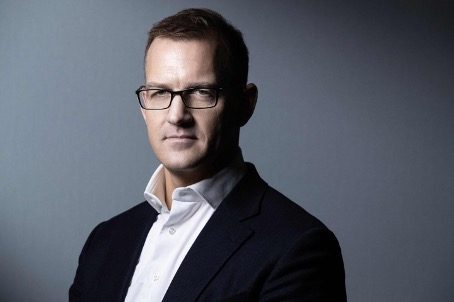
Daniel Křetínský is a Czech billionaire investor renowned for his methodical, long-term approach to value investing across diverse industries. At age 49, he built a sprawling European business empire spanning energy, retail, media, logistics, and sports. Křetínský serves as chief executive and maintains significant ownership of Energetický a průmyslový holding (EPH), one of Europe's largest energy groups. He has amassed major stakes in companies ranging from French supermarkets and German wholesalers to British postal services and Czech media outlets.
His reputation as a contrarian investor stems from a consistent strategy: acquiring distressed or undervalued assets in out-of-favor sectors and patiently nurturing them for long-term value creation. Often dubbed the "Czech sphinx" for his inscrutable style, Křetínský has demonstrated disciplined patience in sectors where others see decline, betting that fundamental value will endure or recover over time. As he noted, "We want to make money in industries that are dying because we think they'll die much more slowly than the general consensus says."
2. Energy Investments: EPH and Cash-Flow Assets
Křetínský's rise began in the energy sector. In 2009, he co-founded EPH in partnership with the J&T financial group and became its majority owner by 2016. Today he retains a 50% controlling share, after selling part of his stake in 2022 to partner Patrik Tkáč.
Over the past decade, Křetínský used EPH to acquire distressed and undervalued energy assets across Europe—particularly coal-fired power plants, gas infrastructure, and utilities being shed by traditional operators under environmental or regulatory pressure. This contrarian acquisition spree transformed EPH into one of Europe's largest energy conglomerates, focusing on cash-flow-generating infrastructure.
One notable asset is the Slovak gas pipeline Eustream (49% owned by EPH), which held a long-term transit contract with Gazprom. This single pipeline yielded approximately €1.56 billion in dividends to owners from 2016 to 2023, with EPH's share around €750 million—a testament to Křetínský's focus on assets with strong cash yields.
In 2023, the energy businesses under EPH's parent reported combined EBITDA of €7.3 billion, reflecting windfall gains amid Europe's energy crisis and the enduring value of its infrastructure holdings. Křetínský deliberately acquired plants and networks at moments of distress—for instance, picking up coal power stations in Germany, Italy, and the UK when utilities were eager to exit. By running these assets efficiently and anticipating that the energy transition would play out over decades, EPH has extracted substantial value.
EPH's performance enabled Křetínský to reinvest in new ventures. The holding's stable cash flows and conservative balance sheet gave him flexibility to pursue contrarian bets elsewhere. EPH's success—built on buying undervalued energy infrastructure and operating it for yield—is the blueprint of Křetínský's long-term value strategy, turning contrarian acquisitions into reliable profit engines.
3. Strategic Investments in Retail, Industry, Logistics and Media
After establishing his energy base, Křetínský methodically diversified into retail, media, and logistics, building significant stakes in a range of European companies.
Retail – Supermarkets and Consumer Goods
Křetínský has acquired substantial positions in major retail groups, particularly those facing temporary challenges or structural market pessimism. In France, he targeted the debt-laden Groupe Casino, a prominent supermarket chain. Starting with a modest stake (4.63% in September 2019), Křetínský steadily increased his involvement as Casino's troubles mounted.
By 2023, Casino was on the verge of default due to heavy debts and eroding market share. Křetínský led a consortium (through EP Global Commerce) that put forward a bailout plan injecting €1.2 billion of new capital and restructuring €6.1 billion of Casino's debt. In February 2024, a Paris court approved this rescue deal, which massively diluted existing shareholders and ended the 30-year reign of Casino's prior owner, Jean-Charles Naouri. As a result, Křetínský's consortium will own and control 53.7% of Casino's share capital.
This turnaround plan, which installs new management and refocuses Casino on its profitable urban banners (Monoprix and Franprix), exemplifies Křetínský's long-term vision: he is willing to take majority control and considerable risk to revive a fundamentally strong retailer whose value was crippled by debt.
Similarly, in Germany, Křetínský became the largest shareholder of Metro AG, a leading cash-and-carry wholesale retailer. Through EP Global Commerce, he first bought into Metro in 2018 by acquiring shares from the Haniel family. After a failed takeover attempt in 2019, he gradually raised his stake. By early 2025, Křetínský held 49.99% of Metro's voting rights and entered an agreement to delist and take the company private. An offer was launched to buy out remaining shareholders at €5.33 per share, paving the way for Metro to exit the stock market and be restructured under Křetínský's oversight.
Retail – Consumer Electronics
Another major retail bet is Fnac Darty, the French electronics and book retail chain. Křetínský's vehicle Vesa Equity Investment started buying Fnac Darty shares in February 2022 when the retailer faced intense competition from e-commerce. By March 2023, Křetínský had increased his stake to 25.03%, becoming Fnac Darty's single largest shareholder. As of November 2024, Křetínský's stake had risen above 30% of voting rights (30.3%), solidifying his control.
Under his influence, Fnac Darty has pursued expansion opportunities—notably a joint acquisition of Italian electronics retailer Unieuro. In late 2024, Fnac (together with Křetínský's Ruby Equity fund) took over 96.7% of Unieuro's shares and prepared to integrate it, creating a pan-European electronics retailer with over €10 billion in revenue.
Křetínský has not shied away from other retail plays: he quietly acquired stakes in UK grocery chain J Sainsbury (10.9% via Vesa) and U.S. retailer Foot Locker (10.56% of voting rights) during downturns, underscoring his pattern of scooping up undervalued retail assets internationally.
Industry
In April 2024, Křetínský, through EP Corporate Group (EPCG), acquired a 20% stake in Thyssenkrupp Steel Europe (TKSE), the largest steel producer in Germany and one of Europe's most critical industrial players. The deal was finalized in August 2024, following months of negotiations. TKSE employs around 27,000 workers and produced 11.5 million tonnes of steel annually as of 2023.
The division has been under severe margin pressure due to global overcapacity, volatile energy prices, and the rising cost of decarbonization. The agreement includes a strategic option for EPCG to increase its stake to 50%, potentially leading to a full joint venture.
This move aligns with Křetínský's established philosophy: acquiring large, capital-intensive legacy assets at moments of transformation or undervaluation. EPCG brings energy and infrastructure expertise: it is expected to support TKSE's €2.5 billion "tkH2Steel" program, which aims to replace traditional blast furnaces with hydrogen-based direct reduction units, enabling production of up to 3 million tonnes of "green steel" annually by 2030, while reducing CO₂ emissions by 3.5 million tonnes per year.
In parallel, TKSE has announced a restructuring plan involving elimination of 11,000 jobs by 2030 and gradual downsizing of production capacity to around 9 million tonnes. Křetínský's involvement serves multiple roles: investor, industrial partner, and transition facilitator. He is expected to play a central role in reshaping the company's strategy by leveraging EPCG's energy assets to stabilize hydrogen and electricity costs required for low-carbon steelmaking.
Logistics and Postal Services
Křetínský's contrarian approach extends to postal and logistics companies, a sector undergoing disruption from digitalization. Through Vesa, he became a major shareholder in national postal operators that many investors had written off due to declining letter volumes and labor issues.
In 2020–2021, Křetínský accumulated a stake in Britain's Royal Mail (now International Distributions Services, IDS). By July 2022 he was the single largest shareholder (22% at that point) and sought permission to exceed 25%. Following a regulatory review under the UK National Security and Investment Act, he was authorized to increase shareholding on October 31, 2022.
Křetínský then moved to take Royal Mail private: in April 2024 he made a takeover offer at 320 pence per share, later raised to 370 pence per share (valuing the company at approximately £3.6 billion) and accepted by the board in May. The acquisition was approved by December 2024 with the UK government retaining a golden share to protect universal service obligations. This move reflects his conviction that the centuries-old postal service can be modernized and made profitable in the parcel e-commerce era.
Similarly, on the continent, Křetínský built a large position in the Netherlands' PostNL. As of now, he holds a 30.49% economic interest—slightly above the Dutch mandatory bid threshold—but strategically limited his voting rights to 29.9% via non-voting derivatives, thereby avoiding a formal takeover offer. Vesa stated that this investment "confirms strategic interest in the sector of logistics."
Owning stakes in postal networks aligns with Křetínský's broader vision: as an investor in retail companies, he understands the importance of last-mile delivery. There are potential synergies in having influence over both retail operations and delivery infrastructure. For example, he could encourage collaborations between retail holdings and postal companies or invest in new technologies. He also bought 22.56% of Quadient, a French parcel locker and mailroom technology firm to drive efficiency.
His postal investments were made when these firms' stock prices were near historical lows—a bet that with restructuring, they can revive. In acquiring Royal Mail, Křetínský formally committed to upholding the UK's universal service (daily mail delivery) for at least five years, indicating a patient approach to reforming the business.
Media and Publishing
Křetínský has assembled a significant media portfolio, primarily through Czech Media Invest (CMI). In his home market, he co-owns Czech News Center (publisher of popular tabloids and newspapers) since 2014. Internationally, he made headlines in 2018 by purchasing a stake in France's prestigious newspaper Le Monde. He acquired 49% of the stake held by Matthieu Pigasse—roughly equating to about a 13.5% indirect interest in Le Monde's parent. Although this raised editorial independence questions, it signaled interest in legacy media brands. He sold this stake to Xavier Niel in September 2023.
Around the same time, CMI struck a deal with France's Lagardère group to buy a portfolio of French magazines. Through that 2018 acquisition, Křetínský became publisher of well-known titles like the fashion magazine Elle and the political weekly Marianne. These magazine assets were seen as non-core by their previous owner and sold during a downturn in print media—fitting Křetínský's contrarian pattern of buying underappreciated media brands with loyal readerships.
In 2023 Křetínský agreed to purchase the French publishing house Editis from Vivendi. Vivendi's divestment of Editis (which includes famed book publishers like Robert Laffont and Plon) was required due to antitrust issues. International Media Invest emerged as the buyer. The deal, finalized in late 2023, was worth €653 million. By adding France's second-largest book publisher to his media empire, Křetínský now spans print news, magazines, and books—a broad content platform that can yield cross-sector opportunities (for instance, adapting book intellectual property into media, or leveraging magazine brands in e-commerce ventures).
His media strategy seems driven by both business and influence: these assets often have stable, if declining, cash flows and strong brand equity, which he believes can be monetized over a longer horizon (via digital subscriptions or consolidation). Moreover, owning influential media in Europe provides strategic visibility and soft power that complement his industrial investments. Křetínský has largely kept existing editorial teams in place, suggesting interest is more in long-term value and diversification than in day-to-day editorial control.
Portfolio Synergies
Across these sectors, synergies in Křetínský's portfolio are beginning to materialize. His retail holdings (supermarkets, electronics stores) benefit from modernization and cost-sharing with his logistics companies (postal networks, delivery tech), potentially creating an integrated retail supply chain from product to last-mile delivery. His media and publishing assets add another dimension—retail brands could leverage media outlets for advertising or customer engagement, and content businesses could find new distribution through retail networks.
The common thread is Křetínský's long-term conviction in each sector's residual value. By patiently holding significant stakes and often securing board influence or control, he can align strategies across companies and pursue gradual transformations that shorter-term investors or fragmented owners might not undertake. Each investment aligns with his value vision: these are fundamental services (energy to power homes, food and goods retail, postal delivery, information/media) that society will continue to need, albeit in evolving forms.
4. Investment Style: Contrarian Timing, Patient Capital, and Centralized Holdings
Daniel Křetínský's investment style is characterized by contrarian timing, deep value orientation, low leverage, and tight governance of his holdings. He has repeatedly demonstrated an ability to time acquisitions against prevailing market sentiment. For instance, during the 2020 global pandemic downturn, when many investors fled the retail sector, Křetínský quietly bought stakes in U.S. retailers Macy's and Foot Locker at rock-bottom prices. Similarly, he increased holdings in brick-and-mortar retail and postal firms at points when those stocks were battered by pessimism (e.g., Royal Mail during strike disputes).
This opportunistic streak is underpinned by careful analysis: Křetínský looks for intrinsic value—strong brands, hard assets, or cash flow—that is being undervalued due to temporary or cyclical issues. His energy acquisitions exemplified this, as he believed coal plants still had years of profitable operation despite the sector's negative sentiment. In a 2015 speech, he explicitly stated: "We want to make money in industries that are dying because we think they'll die much more slowly than the general consensus says."
This contrarian ethos means he often steps into investments that others consider too risky or unappealing, whether it's fossil-fuel energy, physical retail, or print media. By going against the grain, he often faces less competition for assets and can negotiate favorable deal terms.
Another hallmark of Křetínský's approach is the use of low leverage and patient capital. His deals are typically financed through equity (often his own or with a close partner) rather than excessive debt. The cash flows from EPH have provided a substantial source of funding. This conservative financing ensures he is not forced to exit investments prematurely due to debt pressures. It allows him to hold onto contrarian bets for years, waiting for the thesis to play out—evident with Metro AG (where he persisted from 2018 to 2025 to achieve control) and Royal Mail (holding his stake for several years before launching a bid).
Even when he teams up with partners, Křetínský keeps the investor group small and aligned, avoiding complications of large consortia. His key ally, Slovak financier Patrik Tkáč, has co-invested in many ventures; for instance, Tkáč owns 47% of EP Global Commerce and roughly 44% of other EP group holding companies, ensuring unified vision. This centralized governance structure—via vehicles like EPGC for retail/wholesale investments, Vesa Equity for public market stakes, and CMI/International Media Invest for media—means decisions can be made quickly and strategies implemented decisively.
Křetínský often secures board seats or directorships in companies he invests in, allowing him to influence management. The governance style is typically centralized but hands-on: Křetínský prefers strong central holding exercising control, while leaving day-to-day operations to professional managers.
Křetínský's portfolio also extends to sports assets, which, while perhaps not core to his industrial strategy, reflect a diversified approach to asset classes and perhaps personal passion. He has been chairman and a major shareholder of AC Sparta Prague (a leading Czech football club) since 2004. In 2021, he purchased 27% of West Ham United, a Premier League football club in London, becoming a co-owner and board member. These sports investments carry different value—global visibility, local community influence, and potential long-term financial upside as sports franchises appreciate. They also echo his contrarian streak: when West Ham's owners sought new capital, Křetínský stepped in amid skepticism, again taking a long-term view.
In summary, Křetínský's style combines value discipline with strategic control. He buys low when few others will, holds with patience, and often seeks a path to control or significant influence to drive value-enhancing changes. He operates through streamlined investment vehicles under his control, eschewing heavy debt and keeping partners to a minimum. This approach allows flexibility for complex turnarounds while avoiding short-term pressures from aggressive leverage or fractious investor groups.
5. Conclusion
Daniel Křetínský has emerged as a key figure in European capitalism, exemplifying a disciplined, patient, and diversified approach to value investing. Over roughly 15 years, he evolved from a niche energy dealmaker in Prague into a pan-European investor with a hand in critical industries: keeping lights on through power plants, delivering groceries and electronics to millions of customers via backed retailers, ensuring mail and parcels reach homes across the UK and Europe, and owning media that inform the public.
His contrarian strategy—to go where others won't and wait—has led him to control or significantly influence companies considered past their prime, and to gradually restore their fortunes. Quantitatively, his empire-building has been striking: a €7.3 billion EBITDA energy group in EPH; majority control of a €40 billion-revenue retail group (post-Casino and Metro acquisitions); 30.28% of France's leading electronics retailer; 30.49% of the Dutch postal service; and a growing collection of media assets capped by a €653 million publishing house purchase.
Yet, beyond the figures, Křetínský's significance lies in his philosophy of long-term value creation. In an era when many investors chase quick tech gains or shy away from "old economy" sectors, Křetínský has demonstrated the profitability of patience and contrarian thinking. He has shown that coal plants can fund new ventures, that struggling supermarkets can be saved with bold capital, and that postal services can still have a future in the digital age.
As of 2025, Daniel Křetínský stands as one of Europe's most influential investors under 50, with an estimated net worth around $10 billion and a reputation for strategic acumen. He is often compared to industrialist-financiers of the past who built conglomerates on basic industries, updated for the 21st century with savvy understanding of market psychology. Importantly, his investments carry implications beyond profit: by stewarding essential services (energy provision, mail delivery, media plurality), he has a direct impact on tens of thousands of jobs and consumers across Europe.
Křetínský's disciplined, patient diversification showcases how long-term investors can shape the corporate landscape, reviving legacy sectors while preparing them for future challenges. In coming years, all eyes will be on how his contrarian bets play out—whether coal-funded cash flows successfully transition into greener investments, whether traditional retailers under his wing adapt to e-commerce, and whether his media holdings thrive in the digital world. If his track record is any guide, Křetínský will continue to defy skeptics by finding value in unexpected places and proving that conviction and patience remain powerful tools in creating wealth and transforming businesses over time.
6. Major Investments of Daniel Křetínský (Chronologically)
| Company (Sector) | Stake Held | Est. Value of Stake | Acquisition Date | Latest Annual Revenue | Křetínský's Role / Comments |
|---|---|---|---|---|---|
| AC Sparta Prague (Football club) | 40% (controlling stake) | (undisclosed) | 2004 | €30 million (2022) | Co-owner & club president since 2004. A passion investment, viewed as a long-term "mission." |
| Energetický a průmyslový holding (EPH) (Energy conglomerate) | >50% (majority control) | €7-8 billion (est.) | 2009 | €23.3 billion (2024) | Co-founder and CEO; started with 20% in 2009. In 2020, partner Patrik Tkáč rejoined, leaving Křetínský with 50%+1 controlling stake. EPH spans 70+ energy assets across Europe. |
| Czech News Center (CNC) (Media) | 50% via Czech Media Invest | €150 million (est.) | 2014 | – (private) | Leading Czech print/digital media house. Acquired 2014 with Patrik Tkáč. Hands-off owner focused on long-term media diversification. |
| Mall Group (E-commerce retail) | 40% (co-owner via EP Investments) | €350 million (sale value) | 2016 (initial); Exited 2022 | €820 million (2021) | Major Czech online retailer. Partnered with PPF to buy Mall Group in 2016 for €200 million. Held 40% until group sold to Poland's Allegro for €881 million in 2022. |
| Marianne (Media) | 91% (controlling stake) | (undisclosed) | 2018 | €12 million (2023) | Acquired 91% in April 2018. Operates as socio-political news magazine. Strategic investor via CMI, supporting editorial independence. |
| Le Monde (France's leading newspaper) | 13.5% (indirect via holding) | (undisclosed) | 2018 (Oct) – Exited 2023 | €310 million (2022) | Bought 49% of Matthieu Pigasse's holding company in 2018, equating to 13.5% of Le Monde. Remained minority, non-controlling investor. Sold stake to Xavier Niel in 2023. |
| Lagardère magazine portfolio (Media) | 100% of French unit | €52 million (purchase) | 2018 (agreement; closed Feb 2019) | €239 million (2018) | Through Czech Media Invest, acquired Lagardère's France magazine publishing business (including Elle, Version Femina, Télé 7 Jours, etc.). Deal completed 2019 for €52 M. |
| Metro AG (Wholesale retail, Germany) | 50.1% (With Patrik Tkáč) | €960 million (2025 delisting offer) | 2018 (Aug) – ongoing | €33.6 billion (2023/24) | Began acquiring Metro shares in 2018, becoming controlling shareholder. By April 2025, held 50.1% voting rights through EP Global Commerce. In Feb 2025 moved to take Metro private at €5.33/share. |
| ProSiebenSat.1 Media (TV broadcasting, Germany) | 4% (estimated via CMI) | €120 million (at the time) | 2019 (Oct) – Exited? | €4.5 billion (2019) | Czech Media Invest disclosed small stake in German broadcaster in 2019. Financial investment, not major holding. Subsequent developments unclear. |
| Casino, Guichard-Perrachon SA (Retail, France) | 10% (pre-restructuring) - 53.4% (today) | (new €1.2 B injection; market value €212 million) | 2019 (initial stake) – ongoing | €8.5 billion (2024) | Began investing in Casino as early as 2019 via Vesa Equity Investment, initially acquiring 4.63% stake. By March 2022, held around 10%. In March 2024, led creditor consortium agreeing to inject €1.2 billion and reduce debt by €6.1 billion. In return, group secured 53.7% stake in Casino. Now driving group's turnaround. |
| Macy's Inc. (Retail, USA) | 5% → 0% (Vesa) | (sold for €32 M profit) | 2020 (May) – Exited June 2020 | €22.7 billion (2020) | Purchased 5% during 2020 market downturn, sold within a month, riding 65% stock surge. Vesa made €32 M profit on opportunistic investment. |
| J Sainsbury plc (Supermarket, UK) | 10.09% (Vesa) | €740 million (market) | 2020 (Sep) – ongoing | €38.9 billion (2024) | Began accumulating shares in 2020; disclosed 3.05% stake in Sept 2020, later increased to 9.99% by 2021. Second-largest shareholder. Seen as strategic but passive investor. |
| Foot Locker, Inc. (Retail, USA) | 10.56% (voting rights) | €211 million (market) | 2020 (Nov) – ongoing | €7.4 billion (2024) | Built significant stake during 2020's market lows, becoming largest shareholder by late 2020. Currently holds 10.56% of voting rights via Vesa. Relatively quiet investor, betting on sector recovery. |
| PostNL N.V. (Postal & parcels, NL) | 30.49% (Vesa) | €170 million (market) | 2020 – ongoing | €3.25 billion (2024) | By Nov 2022, Vesa accumulated 31.4% of Dutch mail and package delivery group, making Křetínský largest shareholder. Began buying in 2020. Considered strategic but long-term holding; has board seat. |
| International Distributions Services (Royal Mail) (Postal, UK) | 27.56% (Vesa) | €4.2 billion (acquisition) | 2020 (1st stake) - ongoing | €14.7 billion (2023/24) | By 2022, held 27.56% via Vesa. In 2024, launched £3.6B takeover through 1890s Holdings. Deal approved; full ownership pending, with delisting expected by June 2025. Pledged to uphold universal service for five years. |
| West Ham United F.C. (Football club, UK) | 27% (minority stake) | €250 million | 2021 (Nov) – ongoing | €323 million (2023/24) | Acquired 27% of Premier League club in November 2021 for about €210–230 M, becoming second-largest shareholder. Holds board seat; viewed as strategic partner with option for full takeover. |
| Fnac Darty (Retail, France) | 30.28% (largest shareholder) | €270 million (market) | 2022 (built stake) – ongoing | €8.25 billion (2024) | Vesa began buying in 2021, crossing 10% by March 2022. By March 2023, owned 25.0%, later exceeding 30%. Now lead shareholder; considered strategic investor. Speculation of potential M&A. |
| TF1 Group (Media, France) | 5.04% (via Vesa) | €76 million (market) | 2021 (Sept) – ongoing | €2.36 billion (2024) | Quietly amassed 5.04% stake in French TV broadcaster in September 2021. Minority holding below governance thresholds, seen as portfolio investment. Passive stakeholder. |
| DoDo Logistics (Tech logistics, CEE) | Significant minority stake | €60 million (investment) | 2022 (May) – ongoing | €63 million (2023) | Invested €60 M in Prague-based courier startup in 2022 to fuel international expansion. DoDo provides last-mile delivery in e-commerce and food delivery. Phased investment over 2 years; founder retains majority. Strategic backer for growth. |
| Editis (Book publishing, France) | 100% (via IMI/CMI) | €653 million (acquisition) | 2023 (June deal, closed 2023) | €789 million (2022) | In June 2023 Vivendi agreed to sell Editis (France's second-largest publisher) to International Media Invest. Sale closed in 2023 for €653 M (including debt). Now owns Editis outright, marking major expansion into book publishing. |
7. References
News Articles, Analyses, and Financial Journalism
Associated Press. (2024, December 16). UK government approves $4.6-billion takeover of Royal Mail by a Czech billionaire. https://apnews.com/article/6f64969278362541f6f4831f0ae31f51
Bloomberg. (2024, December 16). Czech Billionaire Kretinsky Gets UK Approval to Buy Royal Mail. https://www.bloomberg.com/news/articles/2024-12-16/royal-mail-given-promises-by-czech-billionaire-to-secure-deal
Financial Times. (2024, December 17). Royal Mail bought by Daniel Křetínský. https://www.ft.com/content/282bcd4e-8f13-4ac5-9c98-ada36f66f662
Reuters. (2024, April 26). Thyssenkrupp sells stake in steel unit to Czech billionaire Křetínský. https://www.reuters.com/markets/deals/thyssenkrupp-enters-strategic-partnership-with-kretinskys-epcg-2024-04-26/
Reuters. (2024, April 25). Czech billionaire Křetínský's energy assets post €7.8 billion core profit in 2023. https://www.reuters.com/business/energy/czech-billionaire-kretinskys-energy-assets-post-78-billion-core-profit-2023-2024-04-25/
The Guardian. (2025, April 3). Royal Mail takeover deal by Czech billionaire to be finalised this month. https://www.theguardian.com/business/2025/apr/03/royal-mail-takeover-deal-czech-billionaire-finalised-daniel-kretinsky
Reuters. (2023, January 3). Kretinsky-led consortium to own 53.7% of retailer Casino after restructuring. https://www.reuters.com/business/retail-consumer/kretinsky-led-consortium-own-537-casino-capital-completion-restructuring-plan-2024-01-03/
Reuters. (2024, March 28). Casino changes leadership team as boss Naouri's era ends. https://www.reuters.com/business/retail-consumer/casino-changes-leadership-team-boss-naouris-era-ends-2024-03-28/
Euronews. (2024, April 26). Casino to cut 3,200 jobs following takeover. https://www.euronews.com/business/2024/04/26/frances-casino-supermarket-chain-to-cut-3200-jobs-following-takeover
Radio Prague International. (2021, November 4). Allegro to acquire Mall Group in €881 million deal. https://english.radio.cz/allegro-acquire-mall-group-eu881-million-deal-8730392
Reuters. (2022, May 3). Kretinsky to invest €60 million into DoDo logistics firm. https://www.reuters.com/article/business/czech-billionaire-kretinsky-to-invest-60-million-euros-into-dodo-logistics-firm-idUSKCN2MP0H9/
Reuters. (2021, September 14). Kretinsky buys 5% stake in French TV group TF1. https://www.reuters.com/article/world/europe/czech-billionaire-kretinsky-buys-stake-of-around-5-in-french-tv-group-tf1-idUSKBN2GA0SR/
Broadband TV News. (2021, September 14). Daniel Kretinsky invests in TF1. https://www.broadbandtvnews.com/2021/09/14/daniel-kretinsky-invests-in-tf1/
Le Monde. (2024, October). Marianne's sale to Jean-Martial Lefranc in question. https://www.lemonde.fr
La Tribune. (2023). Marianne magazine's financial troubles. https://www.latribune.fr
Institutional and Corporate Press Releases
EP Corporate Group, a.s. (2025, April 30). Offer declared unconditional. https://www.investegate.co.uk/announcement/rns/international-distributions-services--ids/offer-declared-unconditional/8855237
Thyssenkrupp AG. (2024, April 26). Strategic partnership with EP Corporate Group. https://www.thyssenkrupp.com/en/newsroom/press-releases/pressdetailpage/thyssenkrupp-and-ep-corporate-group-enter-into-strategic-partnership-253015
EPH Holding. (2024). Company profile and energy assets. https://www.epholding.cz/en/profile/
DoDo Group SE. (2023). Company overview and logistics performance. https://www.idodo.group/en/about
Groupe Casino. (2024). Final restructuring plan approved. https://www.groupe-casino.fr
CMI France. (n.d.). CMI France media activities. https://www.cmifrance.com
Editis Groupe. (2022). Corporate data and publishing brands. https://www.editis.com
Stock Market and Financial Data
- Refinitiv Workspace. (2025). Company financials and shareholder data for EP Group, Fnac Darty, Casino, PostNL, Metro AG, Foot Locker, and others.